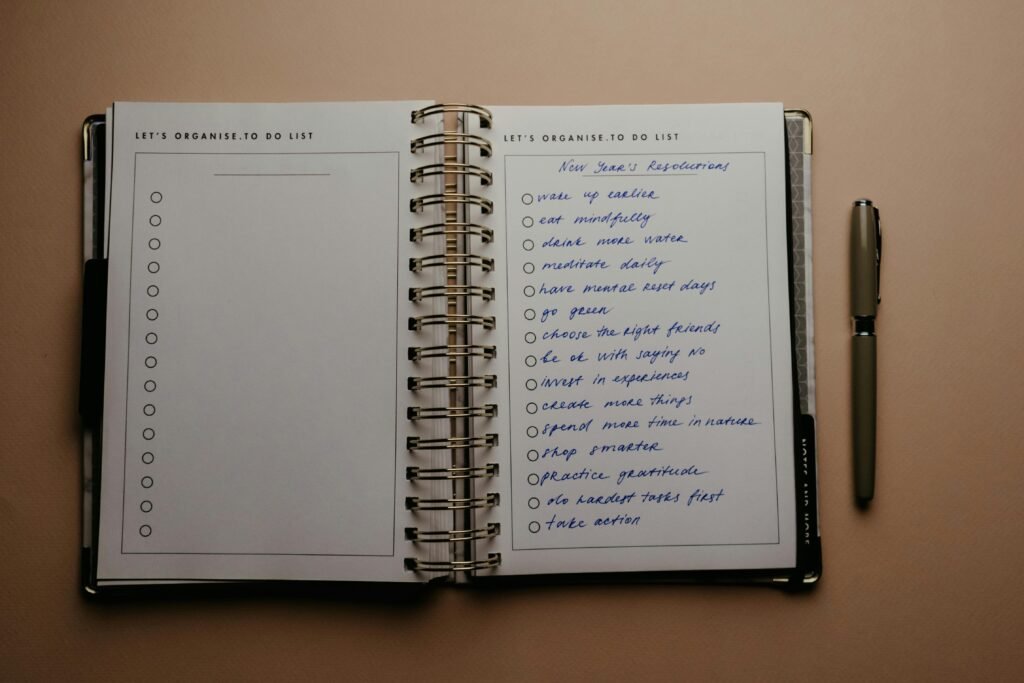
Atomic Habits Book Summary: The Small Changes That Shape a Big Life
If you’ve ever promised yourself “I’ll start on Monday” or bought a new planner hoping it would magically fix your life, you’re not alone. Most of us want better habits — to get healthier, more focused, more productive — but we imagine change as this giant, dramatic transformation. James Clear’s bestseller Atomic Habits shatters that myth and replaces it with something surprisingly simple: small changes, repeated consistently, can reshape your entire identity.
Yeah, it sounds almost too easy. But stay with me.
Clear isn’t preaching overnight success or hustle culture. Instead, he walks you through a science-backed, practical roadmap for building habits that stick and breaking habits that hold you back.
Let’s break it down — American-blogger style, friendly, conversational, and packed with takeaways you can use today.
Why Small Habits Actually Work
Clear starts with a simple truth: habits are the compound interest of self-improvement. Just like money grows when interest builds on interest, your results grow when good habits build on each other.
If you improve by just 1% every day, you may barely notice it next week…
but you’ll definitely notice it next year.
And here’s the comforting flip side:
If you slip or make mistakes? You’re human. One bad day won’t ruin your life — just like one good day won’t magically fix everything. It’s the long-term trend that matters.
Identity: The Heart of Habit Change

This is the part of the book where people go, “Oh… now it makes sense.”
Instead of setting goals like:
- “I want to lose weight,”
- “I want to read more,”
- “I want to save money,”
Clear says you should shift your focus to identity:
- “I am a healthy person.”
- “I am a reader.”
- “I am someone who manages money well.”
When you change your identity, the actions follow naturally.
Every habit becomes a vote for the type of person you want to be.
You don’t need 100 votes to win an election.
You just need enough evidence to start believing in yourself.
The Four Laws of Behavior Change
This is the backbone of Atomic Habits — the simple blueprint for making good habits easier and bad habits harder.
1. Make It Obvious
Your environment shapes your behavior more than motivation ever will.
Want to drink more water?
Put a water bottle where you can’t miss it.
Want to stop scrolling your phone at night?
Charge it across the room — or outside the bedroom.
Your brain follows cues. So create cues that support the habits you want.
2. Make It Attractive
We do things that reward us. We avoid things that feel boring or painful.
Clear suggests habit bundling — pairing something you need to do with something you want to do.
Example:
- Only listen to your favorite podcast when you’re exercising.
- Enjoy a cup of coffee after you write for 10 minutes.
Suddenly, the habit becomes something you want to return to.
3. Make It Easy
The biggest enemy of most habits isn’t lack of discipline — it’s friction.
If your habit requires too many steps, you won’t keep it.
Take the friction out:
- Want to read more? Keep a book on your pillow.
- Want to eat healthy? Pre-cut fruits and veggies.
- Want to work out? Lay out your clothes the night before.
Clear also introduces the Two-Minute Rule:
Scale every habit down to a 2-minute version.
Instead of “Run 5 miles,” try:
— “Put on my running shoes.”
Instead of “Read 30 pages,” try:
— “Read one page.”
Doing the small version builds identity and momentum.
Once you’re in motion, your brain naturally wants to keep going.
4. Make It Satisfying
If a habit feels rewarding, you’ll repeat it.
This is why streaks, checklists, and visual trackers work so well.
They give your brain a little dopamine hit that says,
“Nice job… do it again tomorrow.”
Similarly, bad habits become easier to break when you make them immediately unsatisfying:
- Unfollow accounts that trigger unnecessary scrolling.
- Keep junk food out of the house.
- Put spending apps behind passwords.
Make your good habits feel good.
Make your bad habits feel irritating or inconvenient.
The Reality of Breaking Bad Habits
One of the best things about this book is how practical it is. Clear doesn’t shame you for struggling with bad habits — he explains the science behind why they form and how to gently dissolve them.
To break a bad habit, simply reverse the laws:
- Make it invisible
- Make it unattractive
- Make it difficult
- Make it unsatisfying
Bad habits thrive in convenience.
Remove the convenience, and the habit loses oxygen.
The Power of Tracking and Systems
Clear emphasizes that you don’t rise to the level of your goals — you fall to the level of your systems.
Everybody has goals.
Successful people have systems.
Your system is:
- your routines
- your triggers
- your environment
- your small daily choices
The goal is just a direction.
The system is how you get there.
And yes — tracking matters. Whether it’s a habit tracker, calendar, or app, seeing your progress makes your brain want to continue the streak.
The Beauty of Being Just a Little Better

One of the most encouraging messages in Atomic Habits is the idea that change doesn’t require massive effort. You don’t need perfect discipline, motivation, or willpower.
All you need is:
- Tiny steps
- Repeated daily
- Towards the person you want to become
Every big transformation starts invisible.
Every meaningful change starts small.
And the small things?
They’re actually the big things.
Final Thoughts
Atomic Habits isn’t just a self-help book — it’s a manual for designing a better life without burning yourself out or reinventing everything overnight.
It teaches you:
- how habits work
- why small changes matter
- how to build systems that naturally pull you toward success
If you’ve been feeling stuck, overwhelmed, or frustrated with your lack of progress, this book reminds you:
You don’t need to do more — you just need to start smaller.