How AI Is Changing Digital Marketing: Smart Strategies, Tools, and Future Trends
Artificial Intelligence (AI) is no longer a future concept—it is already transforming the way businesses market their products and services online. From smarter ads to personalized content and automated customer support, how AI is changing digital marketing is one of the most important topics for marketers today. Companies that adopt AI gain a competitive advantage by working faster, smarter, and more efficiently.
This article explains how AI is changing digital marketing, the key areas it impacts, and why businesses can no longer afford to ignore it.
1. Smarter Data Analysis and Insights
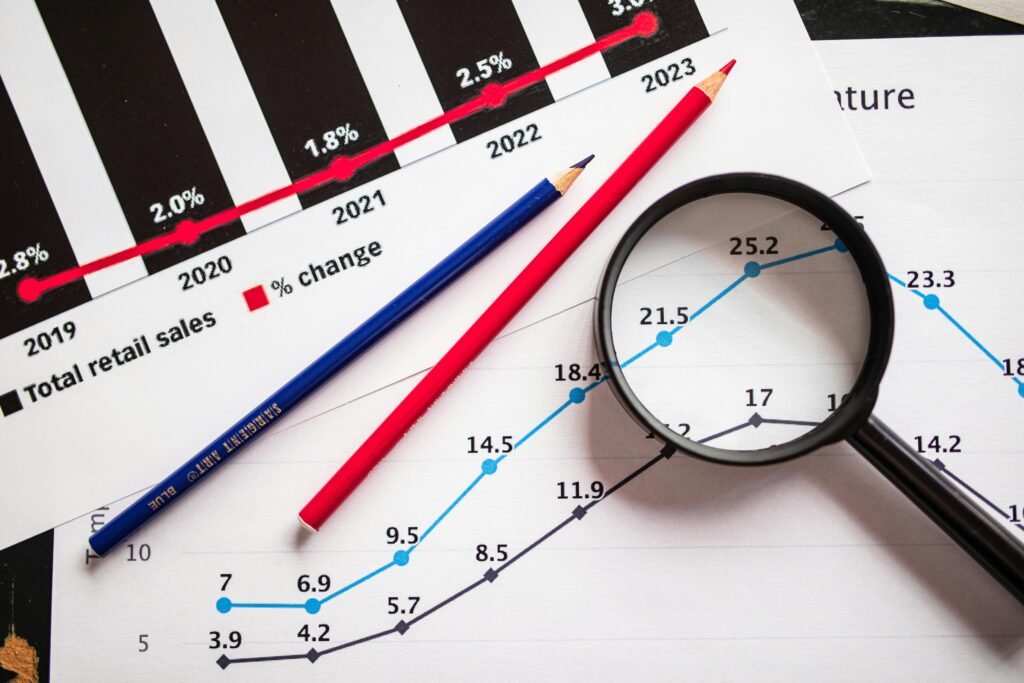
One of the biggest ways how AI is changing digital marketing is through advanced data analysis. Digital marketing produces massive amounts of data, including website visits, clicks, social media engagement, and purchase behavior. AI can analyze this data in seconds.
AI-powered tools can:
- Identify customer behavior patterns
- Predict future buying decisions
- Discover which campaigns perform best
- Optimize marketing budgets automatically
Instead of guessing, marketers now rely on AI-driven insights to make accurate decisions based on real data.
2. Personalized Customer Experiences
Personalization is at the heart of modern marketing. AI enables businesses to deliver personalized experiences at scale, something impossible with manual methods.
Examples of AI-powered personalization include:
- Product recommendations on e-commerce websites
- Personalized email content and subject lines
- Customized website experiences for each visitor
When discussing how AI is changing digital marketing, personalization is a key factor because customers are more likely to engage with content that feels relevant to them.
3. AI-Powered Content Creation
Content remains a core part of digital marketing, and AI is changing how content is created and optimized. AI tools can now help generate:
- Blog outlines and drafts
- Social media captions
- Ad copy
- Product descriptions
While human creativity is still essential, AI speeds up the content creation process and improves consistency. This is another clear example of how AI is changing digital marketing by reducing time and cost while increasing productivity.
4. Improved SEO and Search Marketing
Search engine optimization (SEO) has become more data-driven thanks to AI. Search engines themselves use AI algorithms to rank content, and marketers use AI tools to optimize their websites.
AI helps with:
- Keyword research and search intent analysis
- Content optimization for ranking
- Predicting SEO trends
- Improving on-page and technical SEO
Understanding how AI is changing digital marketing is critical for SEO success, as AI helps marketers align their content with what users are actually searching for.
5. Smarter Advertising and Paid Campaigns
AI has revolutionized digital advertising. Platforms like Google Ads and social media advertising systems use AI to optimize campaigns in real time.
AI-driven advertising can:
- Automatically adjust bids
- Target the right audience
- Test multiple ad variations
- Improve return on ad spend (ROAS)
This automation reduces manual work and ensures ads are shown to users most likely to convert, clearly demonstrating how AI is changing digital marketing efficiency.
6. Chatbots and Customer Support Automation
AI-powered chatbots have become essential in digital marketing and customer service. They provide instant responses, improve user experience, and operate 24/7.
Benefits of AI chatbots include:
- Faster customer response times
- Lower support costs
- Lead generation and qualification
- Improved customer satisfaction
This is another strong example of how AI is changing digital marketing, especially in customer engagement and conversion optimization.
7. Predictive Marketing and Forecasting
AI enables predictive marketing by analyzing past data to forecast future behavior. Businesses can predict:
- Which leads are likely to convert
- When customers will make a purchase
- Which products will be in demand
Predictive analytics allows marketers to plan campaigns more effectively and reduce wasted spending. This strategic advantage highlights how AI is changing digital marketing from reactive to proactive.
8. Marketing Automation at Scale
Marketing automation is one of the most practical applications of AI. Tasks that once took hours or days can now be completed automatically.
AI-driven automation includes:
- Email marketing workflows
- Customer segmentation
- Lead scoring
- Campaign performance tracking
By automating repetitive tasks, marketers can focus on strategy and creativity, reinforcing how AI is changing digital marketing operations.
9. Enhanced Social Media Marketing
AI plays a major role in social media marketing by analyzing engagement, trends, and user behavior. AI tools can:
- Suggest the best posting times
- Identify trending topics
- Analyze audience sentiment
- Measure campaign performance
This allows brands to create more effective social media strategies and maintain a strong online presence.
10. The Future of AI in Digital Marketing
The future of digital marketing is deeply connected to AI. As AI technology evolves, we can expect:
- Hyper-personalized marketing experiences
- Voice and visual search optimization
- Advanced customer journey mapping
- Deeper integration of AI across all marketing channels
Understanding how AI is changing digital marketing today helps businesses prepare for the future and stay ahead of competitors.
Table of Contents
Conclusion
In summary, how AI is changing digital marketing can be seen across every stage of the customer journey—from data analysis and personalization to content creation, advertising, and automation. AI enables marketers to work smarter, reduce costs, and deliver better experiences to customers.
Businesses that adopt AI-driven digital marketing strategies will gain higher efficiency, better targeting, and stronger long-term growth. AI is no longer optional—it is a core part of successful digital marketing in today’s competitive online world.