
How to Start a Small Business with No Experience: Step-by-Step Beginner’s Guide 2026

How to Start a Small Business with No Experience
Starting a business can feel overwhelming, especially if you have no prior experience. Many people believe they need business knowledge, money, or professional training before they can begin. The reality is very different. Thousands of successful entrepreneurs started with zero experience and learned everything along the way. This guide explains how to start a small business with no experience using simple steps that anyone can follow.
If you are willing to learn, take action, and stay consistent, you can build a successful small business from scratch.
1. Understand That Experience Comes After You Start
One of the biggest mistakes beginners make is waiting until they feel “ready.” When learning how to start a small business with no experience, it is important to understand that experience is gained during the process, not before it.
Every business owner learns by:
- Talking to customers
- Solving real problems
- Making mistakes and improving
You do not need to know everything at the beginning. You only need to start.
2. Choose a Beginner-Friendly Business Idea
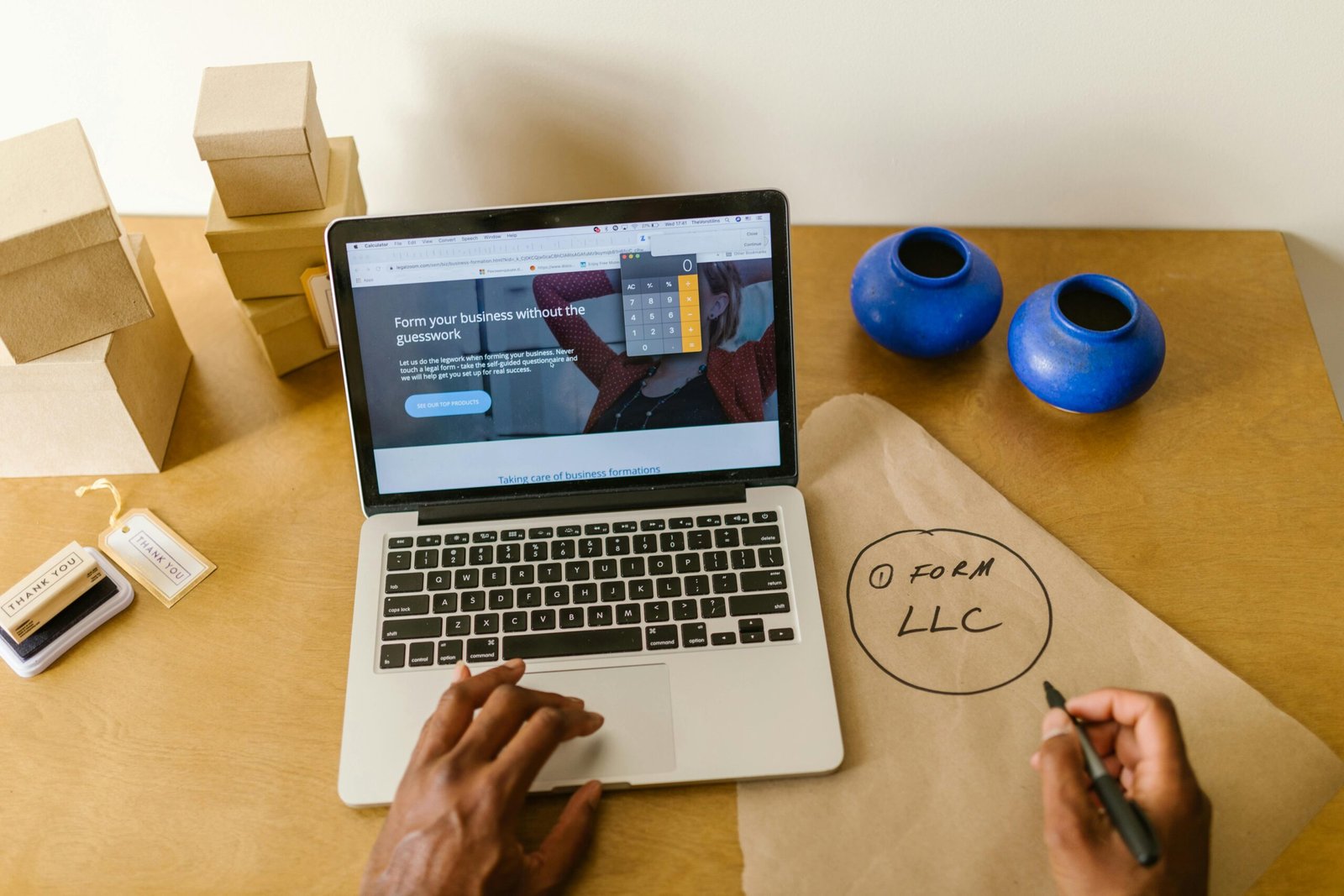
Choosing the right idea is a critical step in how to start a small business with no experience. Beginners should avoid complicated or high-risk businesses and focus on simple models with low startup costs.
Good business ideas for beginners include:
- Service-based businesses (cleaning, tutoring, repair, delivery)
- Freelancing (writing, design, virtual assistance)
- Online reselling or dropshipping
- Home-based food or craft businesses
- Blogging, YouTube, or digital content creation
These businesses allow you to start small, learn fast, and grow over time.
3. Focus on Solving a Real Problem
Every successful business exists to solve a problem. Instead of asking “What do I want to sell?” ask “What problem can I solve?”
Examples of common problems:
- People don’t have time → cleaning or delivery services
- Businesses lack online presence → digital marketing services
- Students struggle with studies → tutoring or coaching
When you solve a real problem, customers are more willing to pay.
4. Do Simple Market Research
Market research helps you avoid starting a business that no one wants. You do not need expensive tools or professional reports.
Simple market research methods:
- Search your business idea on Google
- Check competitors on social media
- Read customer reviews and comments
- Ask potential customers directly
This step helps you understand:
- Your target audience
- Pricing expectations
- Competition level
- Market demand
Market research increases your chances of success when starting a small business with no experience.
5. Learn the Basics Using Free Resources
Education is a key part of how to start a small business with no experience. The good news is that most business knowledge is available for free.
Focus on learning:
- Basic marketing and promotion
- Customer service
- Pricing and sales
- Simple financial management
Free learning resources include:
- YouTube tutorials
- Blogs and podcasts
- Free online courses
- Entrepreneurship books
Learn step by step. Do not try to master everything at once.
6. Create a Simple Business Plan
A business plan helps you stay focused and organized. It does not need to be long or complex.
Your simple business plan should include:
- What product or service you offer
- Who your target customer is
- How you will make money
- How customers will find you
- Your estimated costs
Even a one-page plan is enough to guide your early decisions.
7. Start Small and Keep Costs Low

When learning how to start a small business with no experience, controlling costs is very important. High expenses increase risk.
Ways to keep startup costs low:
- Start from home
- Use free or low-cost tools
- Avoid loans at the beginning
- Delay hiring employees
- Reinvest early profits
Many successful businesses started with very little money.
8. Build an Online Presence
In today’s digital world, an online presence is essential for most small businesses.
Start with:
- Social media pages (Facebook, Instagram, TikTok)
- WhatsApp Business for communication
- A simple website or landing page
Your online presence should clearly show:
- What you offer
- Who your service is for
- How customers can contact you
- Why customers should trust you
Consistency is more important than perfection.
9. Get Your First Customers
Finding your first customers is a major milestone when learning how to start a small business with no experience.
Effective ways to get customers:
- Tell friends and family
- Offer limited-time discounts
- Post regularly on social media
- Join local or online communities
- Partner with other small businesses
Focus on delivering quality service rather than making big profits at the beginning.
10. Deliver Quality and Build Trust
Trust is essential for long-term success. Your early customers will judge your business based on service quality.
Ways to build trust:
- Communicate clearly
- Deliver on time
- Be honest and professional
- Ask for reviews and testimonials
Positive reviews help attract new customers.
11. Learn from Feedback and Improve
No business is perfect from the start. Feedback helps you grow.
Ask customers:
- What did you like?
- What can be improved?
- Would you recommend this business?
Use feedback to:
- Improve your product or service
- Adjust pricing
- Fix weaknesses
Continuous improvement is a key part of business growth.
12. Manage Your Finances Carefully
Good money management is essential when starting a small business with no experience.
Basic financial tips:
- Separate personal and business money
- Track income and expenses
- Save a portion of profits
- Avoid unnecessary spending
You can use simple tools like notebooks, spreadsheets, or free apps.
13. Stay Consistent and Patient
Many beginners fail not because their idea is bad, but because they quit too early.
Important reminders:
- Growth takes time
- Results may be slow at first
- Consistency builds momentum
Small daily actions lead to long-term success.
14. Scale Gradually as You Gain Experience
Once your business becomes stable, you can think about growth.
Ways to scale:
- Increase prices gradually
- Add new products or services
- Improve marketing strategies
- Automate simple tasks
Growth should be slow, planned, and sustainable.
Table of Contents
Conclusion
Learning how to start a small business with no experience is not about having perfect knowledge or large capital. It is about taking action, learning continuously, and staying consistent. Every successful entrepreneur once started with no experience.
Start small, stay focused, and improve every day. With patience and effort, your small business can grow into a profitable and sustainable venture.