Table of Contents

Ramadan: Learning, Benefits, and Life Impact
Ramadan is one of the most significant months in Islam. For Muslims worldwide, it is more than just a religious duty. It is an opportunity for spiritual growth, self-discipline, and strengthening connections with family and community. Over the years, I have experienced the challenges and rewards of fasting, and each year brings a new insight into how this sacred month can shape life in profound ways.
Many people begin Ramadan with excitement but little preparation. The first few days can be difficult. Energy levels dip, focus wavers, and motivation sometimes fades. Learning the principles behind fasting, reflecting on its deeper meaning, and applying mindful practices can make the experience far more rewarding. Ramadan is not just abstaining from food and drink; it is about personal growth, mindfulness, and connecting with others.
The History and Significance of Ramadan
Ramadan commemorates the month in which the Quran was revealed to Prophet Muhammad (peace be upon him). Its history spans centuries, and it has always been a time for reflection, prayer, and self-discipline. Fasting during Ramadan is one of the five pillars of Islam, but its significance goes far beyond abstaining from food.
It is a time to cleanse the heart, increase patience, and show empathy for others. I remember my first Ramadan vividly. I was nervous about fasting all day but excited about the spiritual transformation. The experience of fasting teaches lessons that stay with you for life. It is not merely about skipping meals; it is about slowing down, reflecting on one’s actions, and being more mindful of others.
Understanding How Fasting Works
Fasting begins at dawn (Suhoor) and ends at sunset (Iftar). During this period, one refrains from eating, drinking, and negative behavior. Beginners often struggle with energy levels and focus, especially during the first few days.
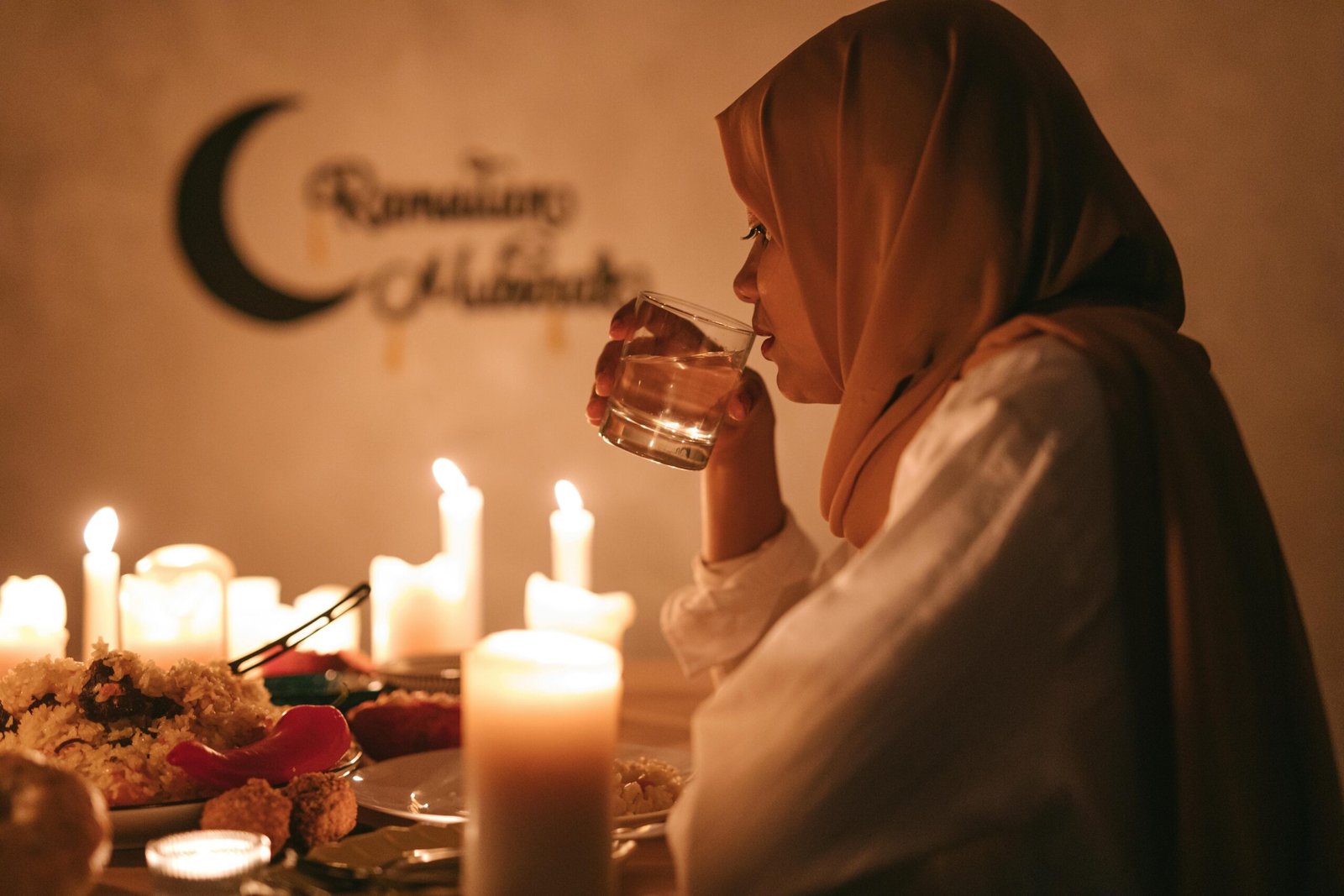
Preparation is key. Planning meals, staying hydrated, and managing daily activities are crucial. Suhoor should include light, nutrient-rich foods such as dates, yogurt, whole grains, and eggs. These provide long-lasting energy. Iftar, on the other hand, should begin with water and dates followed by a balanced meal to help the body recover from the day of fasting.
From personal experience, pacing yourself and eating the right foods made a huge difference. I remember one Ramadan when I overate at Iftar. That night, I felt sluggish and tired during prayers. Learning to eat moderately and choose nutritious meals improved my energy levels and focus throughout the day.
Spiritual Growth During Ramadan
Ramadan is about more than abstaining from food; it is a journey of spiritual growth. It teaches patience, self-control, empathy, and mindfulness. One of the most rewarding aspects I have noticed is the sense of calm and reflection during fasting hours. When distractions are minimized and focus is placed on spiritual connection, new insights and perspectives emerge.
Key spiritual benefits include:
- Developing patience and self-discipline
- Cleansing the heart and mind
- Avoiding negative actions and speech
- Strengthening bonds with family and the community
These benefits are not theoretical. I have felt more mindful, calm, and compassionate after completing Ramadan. Even minor irritations feel smaller, and there is a renewed appreciation for everyday blessings.
Health Benefits of Fasting
Fasting, when done correctly, provides numerous health benefits. The body has a chance to detox, the digestive system rests, and the mind practices self-regulation. Proper nutrition during Suhoor and Iftar is essential for maximizing these benefits.
Hydration and nutrient-rich foods are vital. Drinking sufficient water, eating fiber-rich foods, and balancing proteins and carbohydrates prevent fatigue and maintain energy. Skipping hydration or overeating at Iftar can cause headaches and sluggishness, which I learned during my early years of fasting.
Moderation is the key. Overeating diminishes the benefits of fasting, while balanced meals sustain energy, improve focus, and enhance overall well-being.
Family and Community Impact
One of the most beautiful aspects of Ramadan is its impact on family and community. Families gather for Iftar, share meals, and spend quality time together. These moments strengthen bonds and foster a sense of belonging.
Community engagement is equally important. Acts of charity, shared prayers (Taraweeh), and helping those in need cultivate unity and compassion. I recall volunteering at a local food drive one Ramadan. Seeing neighbors support one another reinforced the idea that Ramadan is not just about personal growth; it is also about uplifting others.
Overcoming Challenges
Fasting comes with its challenges. Fatigue, low energy, and maintaining focus are common obstacles. Over the years, I have developed strategies to make fasting easier:
- Eat light and nutritious meals at Suhoor
- Avoid heavy or greasy foods
- Drink plenty of water before dawn
- Engage in gentle physical activity like walking
Preparation is essential. Ramadan teaches resilience and the ability to manage physical needs while focusing on spiritual growth. Recognizing personal limits and pacing yourself is part of the learning experience.
Lessons Learned from Ramadan
Ramadan is a powerful teacher. Its lessons extend far beyond the month itself. Some of the most valuable lessons I have learned include:
- Patience and endurance in daily life
- Empathy and compassion for others
- Self-control over desires and impulses
- Effective time management and reflection on priorities
These lessons are applicable year-round. Ramadan helps shape habits, build mindfulness, and improve decision-making.
Daily Practices to Maximize Growth
Incorporating small daily practices can enhance the Ramadan experience. These include:
- Extra prayer and reading Quran
- Reflection and journaling
- Acts of kindness and charity
- Mindful eating and hydration
Consistency is more important than intensity. Even small daily efforts accumulate to create significant personal growth. For example, writing a brief reflection each night helps internalize lessons and track personal development.
Health Awareness During Ramadan
Listening to your body is crucial. Overeating at Iftar, skipping Suhoor, or neglecting hydration can harm both physical and mental health. Moderation is essential. Eating mindfully preserves energy and promotes overall well-being.
Balanced nutrition, gentle exercise, and adequate sleep form the foundation of a healthy Ramadan. Short walks, stretching, or brief naps can help maintain energy for evening prayers.
Integrating Charity and Giving
Charity is a central component of Ramadan. Supporting those in need reinforces gratitude and strengthens community bonds. I have participated in food drives, donations, and community projects. Even small contributions create a sense of purpose and fulfillment.
Giving back reminds us that Ramadan is about both personal growth and communal responsibility. Acts of kindness and generosity enhance the spiritual and social impact of the month.
Reflection and Self-Discipline
Self-discipline is one of Ramadan’s most profound lessons. Abstaining from food, drink, and negative behavior strengthens mental and spiritual resilience.
The discipline developed during Ramadan often extends to work, study, and relationships. It is a form of mental and spiritual training that combines practical and spiritual benefits.
Real-Life Experiences
Everyone experiences Ramadan differently. Some find fasting physically challenging, while others face emotional difficulties. Almost all experience spiritual clarity by the end of the month.
One Ramadan, I volunteered at a local community center. Watching children and adults break their fast together, helping one another, and sharing prayers reminded me of Ramadan’s communal power. These experiences reinforced patience, empathy, and unity.
Practical Tips for a Successful Ramadan
Here are practical strategies I use to maximize the benefits of Ramadan:
- Plan balanced meals for Suhoor and Iftar
- Hydrate consistently before and after fasting hours
- Set achievable spiritual goals, like extra prayers or reflection
- Balance work, rest, and prayer to maintain energy
- Reflect daily on actions, thoughts, and lessons
Following these strategies makes Ramadan manageable, rewarding, and deeply meaningful.
Final Thoughts
Ramadan has a quiet way of changing you.
Not in loud or dramatic ways. But in small, almost invisible ways. You learn to pause before reacting. You learn to sit with discomfort without trying to escape it. You learn that hunger passes, but discipline stays.
One thing I personally noticed is how Ramadan makes you more aware of your habits. You start paying attention to how you spend your time. You realize how often you eat without thinking, speak without thinking, and live without thinking. Ramadan interrupts that. It slows you down.
It also builds a kind of inner strength that is hard to explain. Waking up early when your body wants to sleep. Working while fasting. Staying calm even when you feel tired. These moments build mental resilience. And that resilience does not disappear when Ramadan ends.
What surprised me most was how the lessons of Ramadan started affecting other parts of life. Work became easier to manage. Focus improved. Discipline became more natural. The same consistency that helps during fasting can help in business, personal growth, and daily routines. If you want to explore how consistency and discipline can also improve your work and long-term success, this guide explains it in a very practical way:
https://mikblog.com/successful-marketing-strategies-in-practice/
Ramadan also reminds you that you are not alone. Millions of people around the world are fasting at the same time. There is comfort in that shared experience. Families gather. Communities come together. Even strangers feel closer.
If you want to understand Ramadan more deeply, its meaning, health impact, and spiritual purpose, these resources helped me personally:
https://www.soundvision.com/article/the-ultimate-guide-to-ramadan
https://www.islamic-relief.org/ramadan
https://www.healthline.com/nutrition/ramadan-fasting
Ramadan is not just a religious event. It is a reset. A chance to rebuild your habits. A chance to reconnect with yourself. And sometimes, it becomes the beginning of a stronger, calmer, and more intentional version of you.
And honestly, that might be the greatest benefit of all.